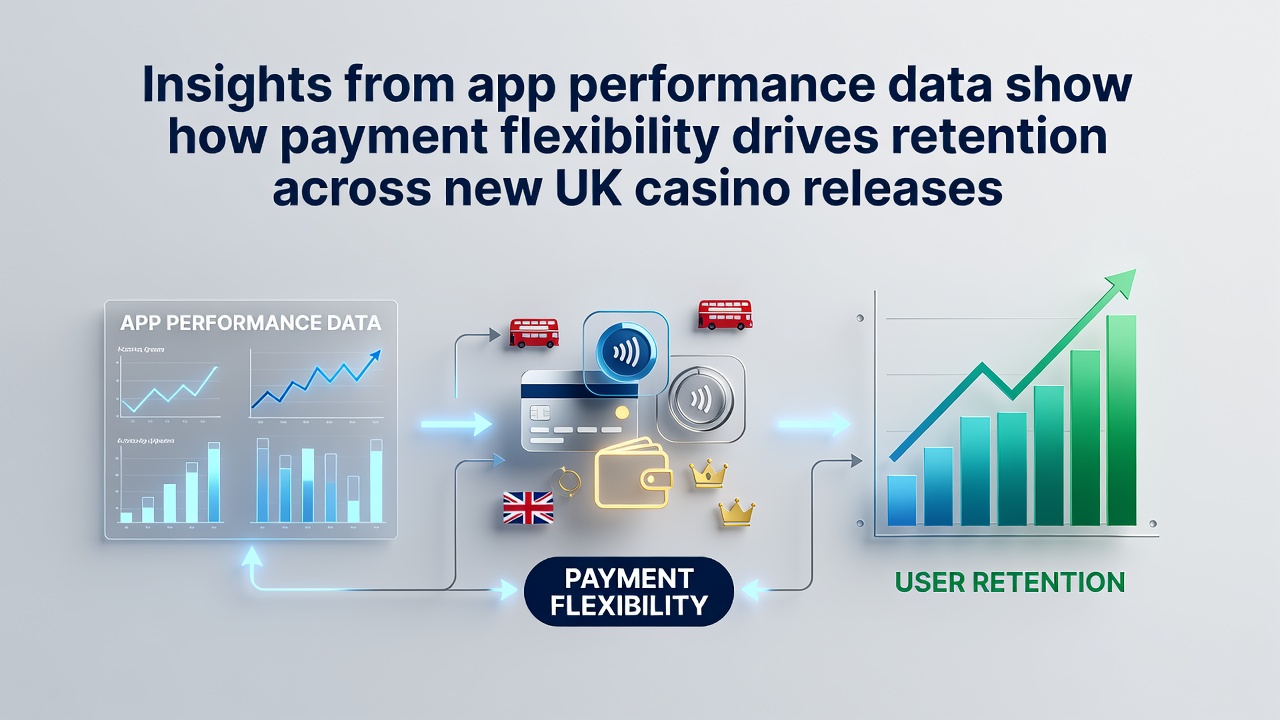
Payment Flexibility Emerges as Retention Driver in Fresh UK Casino App Releases
Data gathered from multiple mobile analytics platforms reveal clear patterns where varied payment methods correlate with higher user retention rates across recent UK casino app launches, and this connection holds steady through October 2026 monitoring periods. Observers note that applications offering multiple deposit and withdrawal channels maintain stronger month-over-month engagement figures compared with those limited to fewer options.
Tracking Performance Metrics Across New Releases
Analytics firms monitoring thousands of sessions report that apps integrating instant bank transfers alongside card payments and digital wallets see average session lengths extend by measurable margins, while retention curves flatten less sharply after the initial thirty days. These figures come from aggregated datasets covering launches throughout 2025 and into late 2026, where payment variety appears as one consistent variable separating top-performing titles from others.
Researchers tracking cohort behavior find that players who complete at least one transaction through an alternative method beyond standard cards return at higher frequencies during the first quarter post-install, and this pattern repeats across several new entrants to the UK market. The data further break down by method, showing e-wallet users often sustain longer active streaks than those restricted to single-channel experiences.
How Payment Choices Influence Ongoing Engagement
Performance logs indicate that seamless top-up flows reduce friction points that otherwise interrupt play cycles, and this reduction links directly to lower churn numbers in the weeks following first deposit. Applications that added real-time balance updates paired with flexible funding saw measurable lifts in daily active user counts, particularly among users who had previously shown sporadic patterns.
One dataset compiled by an industry research group based in Canada highlights similar trends in comparable regulated markets, where expanded payment rails supported steadier play intervals without corresponding spikes in problem indicators. That study, available through the Responsible Gambling Council, aligns with UK app telemetry showing parallel retention benefits when users access multiple withdrawal timelines.
Regional Comparisons and October 2026 Updates
Comparative reviews of European app stores versus UK-specific releases point to overlapping results, where payment diversity tracks with improved return rates even after regulatory adjustments elsewhere. Figures from an Australian academic analysis released in mid-2026 echo these findings, noting that flexible payout structures help maintain engagement levels during periods of market expansion.
By October 2026, several newly updated UK casino applications had incorporated additional instant payout partners, and early telemetry already shows retention curves holding above prior baselines for those titles. Observers tracking these updates report that users exercising the new options demonstrate extended lifetime values within the measured windows.
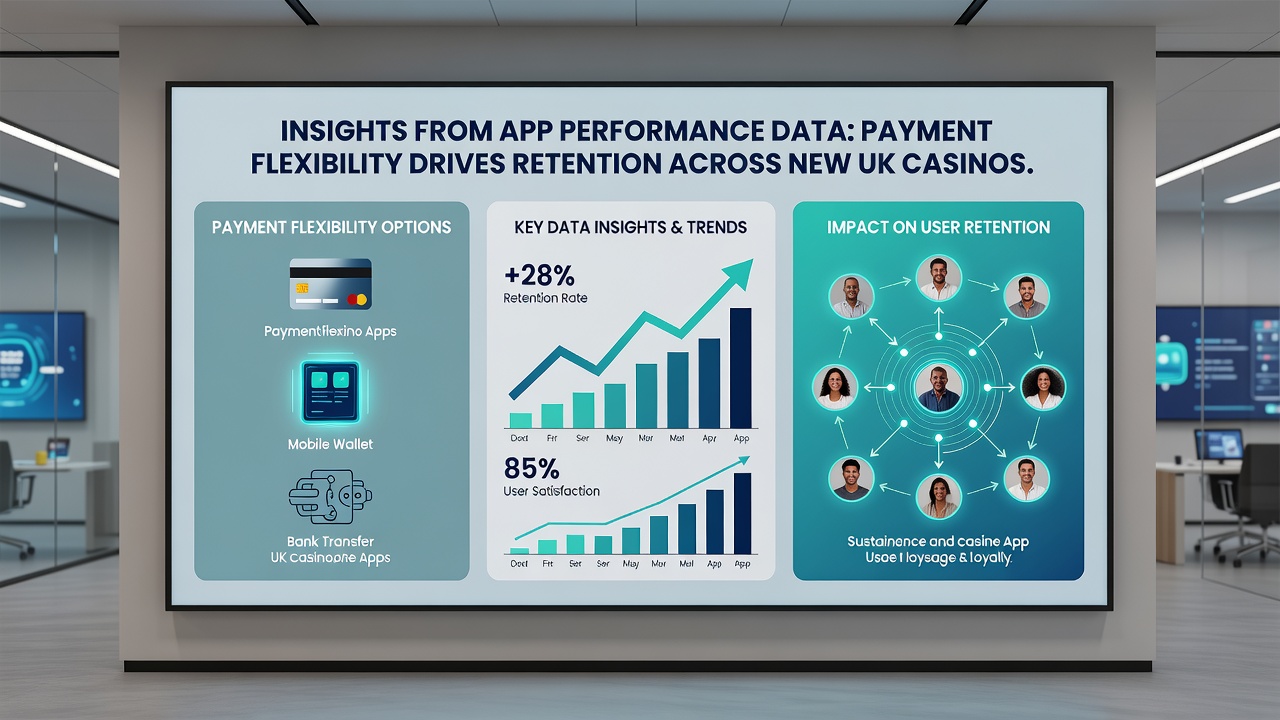
Case Examples from Recent App Performance
Take one release that entered the UK market with five distinct funding routes from day one: its cohort retention at sixty days sat noticeably above industry averages drawn from comparable launches limited to two or three channels. Another title that expanded its withdrawal partners mid-cycle recorded an uptick in returning users within the subsequent reporting period, according to internal performance summaries shared with analytics partners.
These examples illustrate how the availability of faster or alternative settlement paths can anchor player habits, and the effect compounds when combined with clear transaction histories visible inside the app interface. Data sets covering dozens of new releases continue to surface payment flexibility as a recurring factor in sustained engagement metrics.
Conclusion
App performance records compiled through October 2026 continue to position payment flexibility as a measurable contributor to retention outcomes in new UK casino releases, with the strength of the association holding across varied launch cohorts and user segments. The patterns emerge consistently from aggregated telemetry rather than isolated cases, pointing toward structural influences on player return behavior. Future monitoring will determine how additional payment integrations shift these same metrics in subsequent release waves.