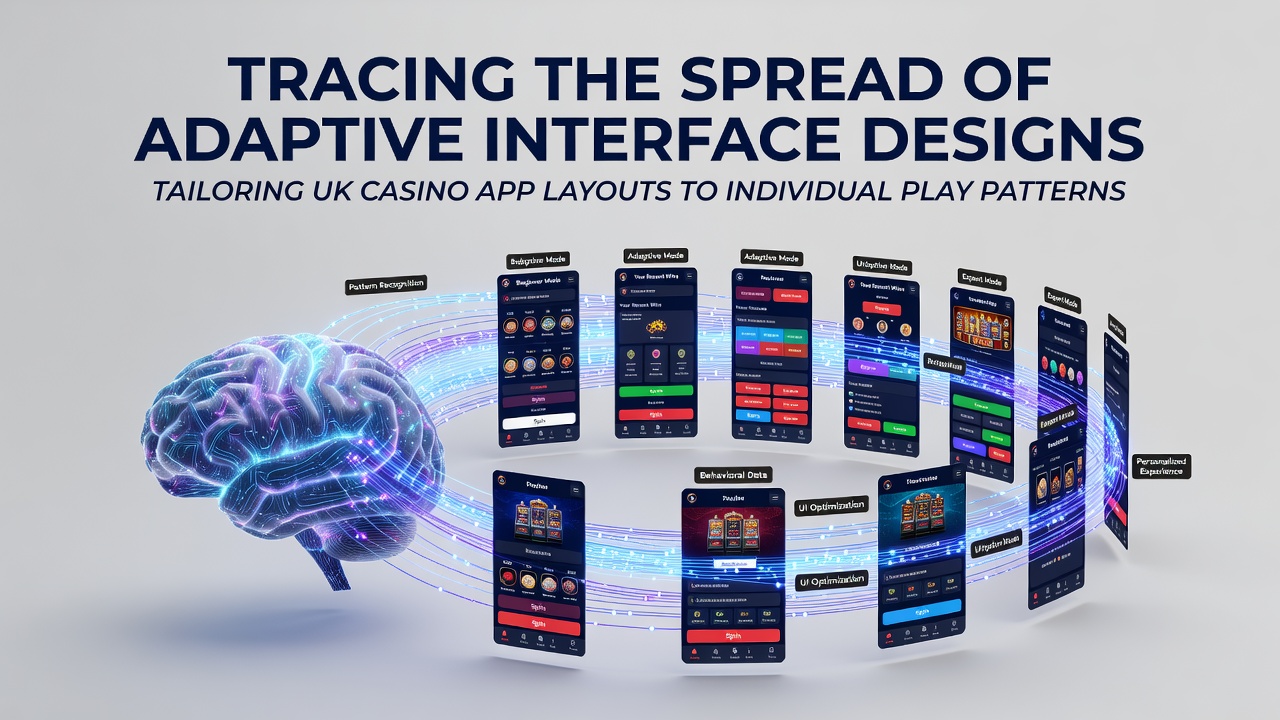
Mapping How Player Habits Shape Interface Changes in UK Casino Applications
Adaptive interface designs have moved from experimental features into standard practice across many UK casino applications, where layouts adjust according to recorded play patterns such as session length, preferred game categories, and navigation paths. Data from industry reports shows that developers collect anonymized metrics on taps, scrolls, and time spent on specific sections before reconfiguring menus, button placements, and promotional displays for individual accounts.
Observers note that these adjustments often appear within hours of a user completing several sessions, creating a feedback loop that refines visibility of slots versus table games depending on prior selections. Research indicates this approach emerged more widely after 2023 when analytics platforms integrated machine learning models capable of processing real-time behavior without manual coding for each variant.
Early Adoption Patterns Among Developers
Initial implementations focused on simple A/B testing that later expanded into continuous personalization engines, and companies began rolling out these systems to larger user bases by early 2025. One documented case involved a mid-sized operator that tracked 1.2 million sessions over six months, revealing that users who favored quick spin games responded better when the main navigation bar shifted toward horizontal scrolling rather than grid layouts.
Figures from a University of Sydney study on digital interface responsiveness reveal similar trends outside the UK, where Australian operators recorded a 17 percent increase in average session duration after deploying comparable adaptive elements. Developers in Britain adopted parallel techniques, often sourcing behavioral frameworks from Canadian gaming technology suppliers that had already refined their tools through provincial regulatory testing.
Technical Mechanisms Driving Layout Shifts
Behind the scenes, algorithms categorize play patterns into clusters such as high-frequency short sessions or extended exploration across multiple titles, then apply predefined layout templates accordingly. These templates reposition elements like deposit prompts, game carousels, and account summaries while maintaining compliance with accessibility standards that require consistent contrast ratios and touch targets.
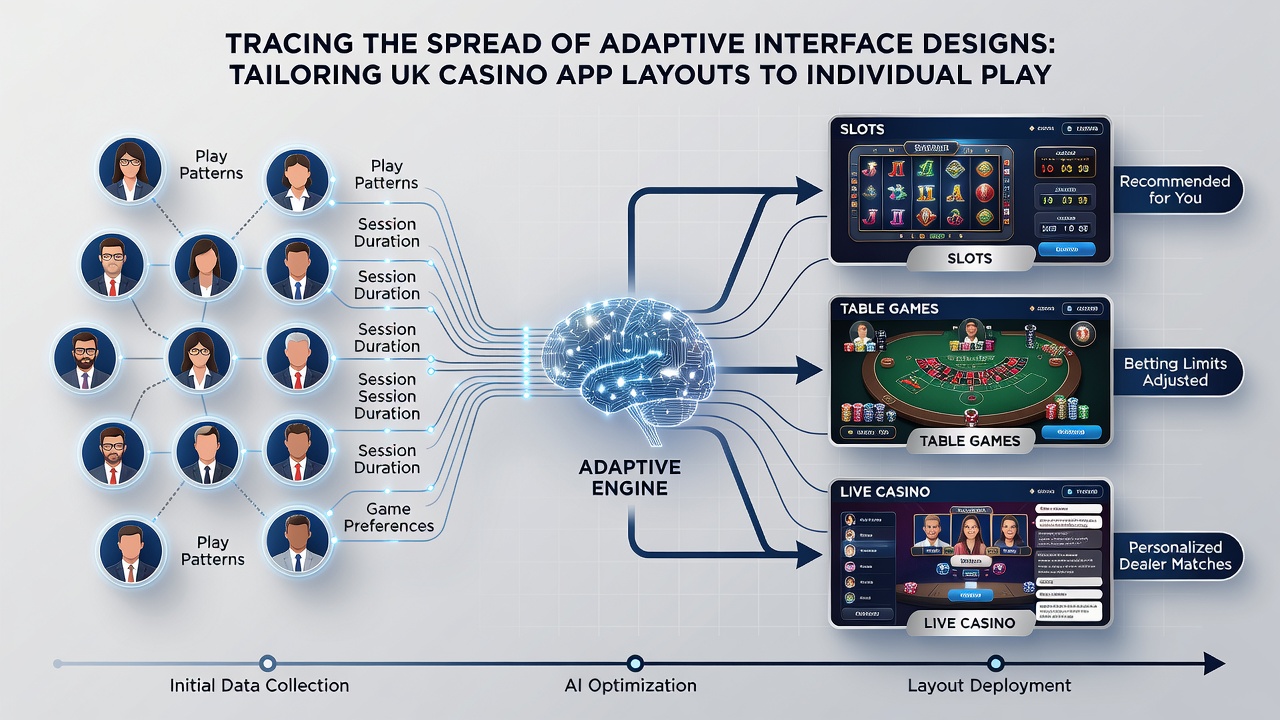
November 2026 marked a notable uptick in third-party audits of these systems, as several providers published white papers detailing how they segment users without storing personally identifiable information. Experts at the National Council on Problem Gambling in the United States have examined parallel data practices and reported that transparent opt-out options help maintain user trust when interfaces begin to change automatically.
Regional Variations and Integration Challenges
Across different UK operators, implementation speed varies because legacy codebases require substantial refactoring before dynamic modules can function smoothly, yet newer entrants built on modern frameworks report faster deployment cycles. Those who've studied rollout timelines note that cross-platform consistency remains a priority, since users frequently switch between phones and tablets within the same account.
Industry associations such as the European Gaming and Betting Association have hosted workshops on standardizing data schemas that support adaptive features while preserving privacy under GDPR frameworks. And because these changes occur at the individual level, aggregate statistics on overall engagement continue to guide broader design decisions rather than single-user tweaks alone.
Future Trajectories Based on Current Data
Projections shared by research institutions suggest continued refinement through deeper integration with device sensors that capture tilt angles and ambient light conditions, allowing layouts to adjust beyond pure play history. A report from the Australian Institute of Family Studies highlights how similar sensor-based adaptations in non-gambling apps improved usability metrics by double-digit margins, providing a benchmark that UK developers have referenced during planning stages.
Yet the core driver stays rooted in observed patterns, where repeated exposure to certain game types prompts the interface to surface related content more prominently without altering core functionality. This measured evolution keeps the focus on matching presentation to demonstrated preferences rather than introducing entirely new mechanics.
Conclusion
Tracing these developments shows a steady progression from static designs toward responsive systems that reflect individual usage data across UK casino applications. Continued monitoring by international bodies and academic groups will likely shape how far personalization extends while balancing regulatory expectations in multiple jurisdictions.